
Sand Baths & Dig Boxes
Sand Baths
It is recommended that all hamsters have access to a sand bath, unless a medical condition would prevent this for some reason. Some hamsters may use sand baths to clean themselves, which helps to keep their fur looking shiny and healthy as it removes any excess oils. Other hamsters may use it to go to the toilet in (which can make spot cleaning easy), and others may use it for both these things or not at all. Contrary to some information online, it is perfectly safe to let a hamster have access to a sand bath 24/7, as it doesn't damage their fur in the same way it can with other animals, such as chinchillas.
What type of sand to use?
A calcium and dye free sand should be used, as the calcium can clump together and cause internal blockages and the dyes can cause respiratory irritation. Chinchilla dust or powder should also be avoided, as these are far too dusty and can also cause respiratory issues. Some reptile/desert sands are safe to use; my personal favourite is the Komodo Natural sand. Some people find using big packs of children sand more economical but it will need to be cooked to ensure it's sterilised and dry. Some brands may need sieving, to remove any larger coarser sand.

Children's Play Sand

India's Hamster Rescue

Pets At Home

Niteangel

Niteangel

Exo Terra

Komodo Sand

Pettex

Niteangel

Unipac
What can be used for a sand bath?
People use all sorts for sand baths: recycled plastic containers, (providing a hamster isn't a chewer), cardboard boxes, (these can leak, but layering paper different ways can help prevent this), cat litter trays, baking trays, glass dishes, the bases of small hamster cages, or even purpose bought sand boxes. Make sure whatever is being used is big enough for a hamster to roll around and dig in.
If the sand bath is not on the base of the enclosure, it will need to go on a strong platform, as sand baths can get pretty heavy and we don't want any hamsters burrowing and getting squashed. To provide a hamster with some cover in the sand bath I recommend adding a hide. This can make all the difference if a hamster isn't using their sand bath, as it can make them feel more secure.

Bucatstate

Getzoo

Happy Henry's Home

Hope's Healthy Treats

Mixerama

Niteangel

RoseLark Pet Products

Dunelm
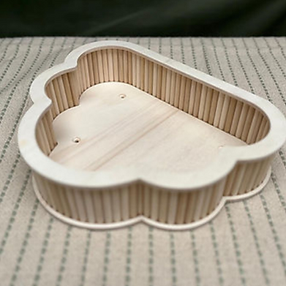
Happy Henry's Home

Honey Three Paws Hides

Mixerama

Mixerama

RoseLark Pet Products

Trixie
Dig Boxes
Dig boxes are containers with different substrates in, which a hamster can have a dig around in and hopefully keep them entertained. If a hamster doesn't use them, adding a few treats such as seeds or nuts in them can make all the difference.
Dig boxes can be filled with bedding or other substrates such as beech chips, coconut chips, cork granules or coir (also known as coco soil).
Sand bath containers, tin or glass dishes or even purpose built dig boxes can be used. A cheap and light option is an empty cardboard cube tissue box, just cut the top off or fold it down and stick it with hamster safe glue, (such as Ponal or Elmers School Glue) then fill it up.
As for the size, there really is no 'rules' with this one, as long as there is enough room for a hamster to move around and enjoy having a good old dig about.

Asda Bon Bon Jar

Hope's Healthy Treats

Niteangel

RoseLark Pet Products

Bucatstate

Honey Three Paw Hides

RoseLark Pet Products