
Hamster Food & Water
Food
Food for hamsters can be quite complex, because what is available varies greatly depending on where people live, and sadly, the majority of food sold for hamsters is not species appropriate or of good quality.
Hamsters are omnivores which means they eat both meat and plant based foods. It is recommended to use a good quality food mix, one that replicates what hamsters would have access to and eat in the wild and should be a mixture of things like grains, seeds, vegetables, plants and insects. This is why it is important to get a species specific food where possible, as different hamster species come from different terrains in the wild and that will influence what their natural diet would look like.
Some people do make their own hamster food mix, especially if they live in a country where it is hard to get a good quality ready made food mix. If anyone is interested in this, then I highly recommend doing more research and some good places to start are The Hamingway and Five Little Hams websites.
Food Mix

Bucatstate - Dwarf
at Hamsters We Love

Bunny Nature Expert - Dwarf

Getzoo - Dwarf

Getzoo - Dwarf
at India's Hamster Rescue

Mixerama Gourmet Menu - Dwarf

Mixerama Gourmet Menu - Robo
at Hope's Healthy Treats

Mixerama Gourmet Menu - Syrian
at Hope's Healthy Treats

Bucatstate - Syrian
at Hamsters We Love

Bunny Nature Expert - Syrian

Getzoo - Syrian

Getzoo - Syrian
at India's Hamster Rescue

Mixerama Fairytale - Syrian

Mixerama Magic - Dwarf
at Hope's Healthy Treats
Scatter versus bowl feeding
Scatter feeding is simply where food is scattered around a hamster enclosure, and it is recommended as it replicates how hamsters would forage for food in the wild. It not only gives hamsters something physically to do, but helps to provide mental stimulation as well. I wouldn't always recommend doing this. For example, if the hamster is new, poorly, elderly, or losing weight, it is good practice to provide food in a bowl so it can be monitored closely how much they are eating. Many people choose to do a mixture of both scatter and bowl feeding.
Hamster Bowls

Mixerama

Moony Paw

Pets At Home

Trixie

Moony Paw

Pets At Home

Trixie

Wilko
What else can hamsters eat?
Vegetables and Fruit
Fresh or dried fruits and vegetables can be given every 2 or 3 days, such as apple, banana, broccoli, cauliflower, carrot, chard, cucumber, kale, parsnip, peas or spinach. The more sugary foods may need to be limited or avoided, especially for dwarf hamsters as they can be prone to diabetes.
Forage, Sprays and Treats
Forage can include safe leaves, flowers and herbs such as apple, birch, chamomile, cornflowers, dandelion, marigolds, nettle, raspberry and rose petals.
Hamster sprays are dried grains and grasses with the seeds or blossoms still attached. Some examples are delicha, flax, millet, oat, pagima, poppy, sorghum and wheat.
Other treats can be given, such as pumpkin and sunflower seeds, monkey nuts, walnuts, dandelion root and whimzees, anything on the harder side, will also help keep a hamsters' teeth trim.
To add more protein into a hamsters diet, certain foods can be given such as: mealworms, unseasoned cooked egg, unseasoned fresh or freeze dried tofu, chicken or turkey.
If a hamster starts to gain weight excessively due to food, then treats may need to be reduced, or avoided altogether for a while.
In the UK, Europe and USA there are places like Getzoo, Hamsters we love, Hopes Healthy Treats, India's Hamster Rescue, Mixerama, Niteangel and Small Sprouts Co where forage, sprays and treats can be purchased.
If it is difficult to find items like those that I have mentioned, try checking out health food shops or supermarkets, anywhere that sells loose leaves and flowers for herbal teas and nuts and seeds.
Talking About Food


Grow Your Own
You can try growing your own microgreens, or let them flower and then dry them out into seed heads. If you live in the UK and want to have a go at growing your own, I highly recommend Shelled Warriors shop. I have been using their 'grow your own' hamster seed mix for years, and all my hamsters have loved them. You can also pick up a packet of linseed/flax seed at the supermarket and grow them too. I recommend growing them in organic soil or coir, with no fertilisers added.


Water
Ensure a hamster always has access to fresh water and I always recommend having 2 sources of water in an enclosure in case one fails; both water bottles or bowls can be used.
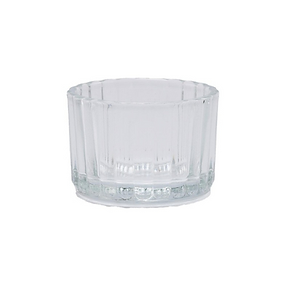
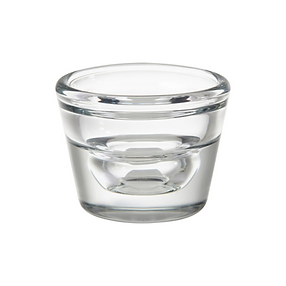
Small tea light holders can be the perfect size to hold water and can be found in many shops including supermarkets.

Water Bottles & Bowls

Classic De Luxe

Niteangel

Asda

Hope's Healthy Treats
Morrisons

Living World

Niteangel

Hamsters We Love

Moony Paw
Tesco